
 简体中文
 Русский
 Français
 Português
 Español
 لالعربية


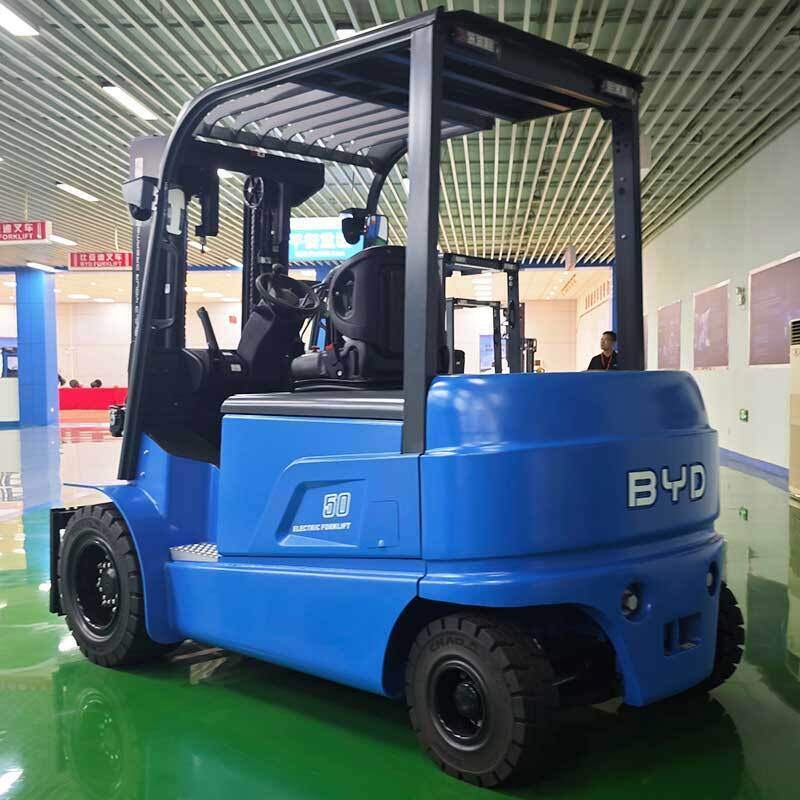
With the continuous development of green industrial logistics, electric forklifts have become one of the most widely used material handling equipment in modern warehousing, manufacturing and distribution scenarios. As a practitioner with years of experience in the electric forklift sector, this guide sorts out practical, field-verified knowledge for frontline operators and warehouse managers.
Core Performance Features of Electric Forklifts
Different from fuel-powered handling equipment, modern electric forklifts generate no local exhaust emissions during operation, and the overall operating noise is kept at a relatively low level, which can meet the environmental protection requirements of closed spaces such as indoor warehouses, food processing workshops and pharmaceutical storage areas. The torque output of the electric drive system is more stable, and the operation response of the lifting and steering structure is relatively gentle, which can reduce the probability of cargo collision and damage during the handling process. The overall energy consumption cost per unit operation is also at a relatively friendly level for long-term operation teams.
Standard Daily Operation Guidelines
All operators need to complete systematic pre-job training before using the equipment. Before each startup, it is necessary to check the remaining battery level, braking sensitivity, lifting mechanism flexibility and safety protection facilities to confirm that there is no hidden risk before formal operation. During the driving process, operators should avoid overloading beyond the rated load, slow down when passing narrow aisles and curved sections, and cut off the main power supply in time when leaving the equipment for a long time. Operators should also keep a clear sight line during the handling process, and adjust the driving speed according to the surrounding personnel flow and cargo stacking density.
Practical Routine Maintenance Tips
Correct daily maintenance can effectively extend the service cycle of the equipment and reduce unexpected downtime. Operators should regularly clean the dust and stains on the surface of the battery and the wiring terminals, avoid overcharging and over-discharging the power battery, check the hydraulic oil level and pipeline sealing status at fixed cycles, and replace the severely worn tires in time to ensure driving stability. It is not recommended to park the equipment in extreme high or low temperature environment for a long time, so as to avoid unnecessary loss of power system performance. Regular inspection records can help maintenance personnel quickly locate potential faults and reduce subsequent troubleshooting time.
Application Efficiency Optimization Suggestions
When selecting electric forklifts, users can match the corresponding parameters according to the actual working conditions such as the width of the operation channel, the maximum lifting height required, and the average daily operation duration. It is feasible to arrange the battery charging and replacement plan reasonably according to the peak operation period of the warehouse, to avoid the situation of insufficient power affecting the normal operation. Regularly collect the feedback of frontline operators, and adjust the material handling route properly to further improve the overall operation efficiency of the whole logistics link.


