
 简体中文
 Русский
 Français
 Português
 Español
 لالعربية


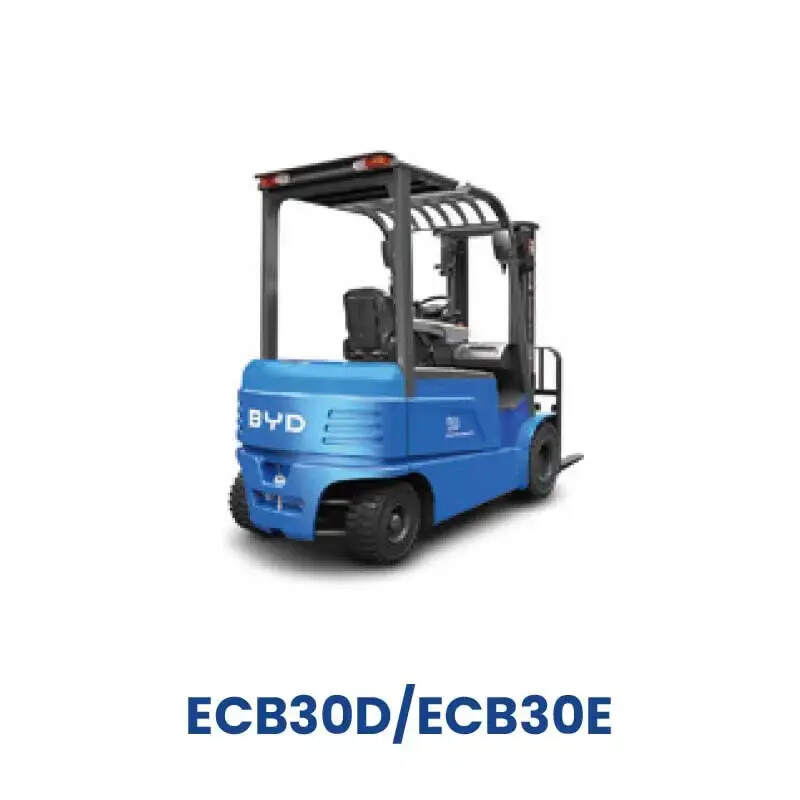
Electric forklifts have become one of the most widely applied material handling equipment in modern warehouses, manufacturing workshops and logistics distribution centers, with advantages of low noise, zero local emission and relatively low long-term operating cost. For most frontline operators and facility managers, mastering systematic operation and management rules can help maximize the value of the equipment in daily usage scenarios.
Core Pre-operation Check Specifications
Before each shift of operation, operators need to conduct basic inspection around the equipment first, to confirm there is no obvious deformation, leakage or foreign matter blockage on the body, wheel and load fork parts. Then check the power display status, brake sensitivity, lifting and tilting function of the mast, and confirm the emergency stop button can respond normally. All minor abnormal signs found during the check should be recorded and reported to management personnel, instead of forcing the equipment to run under unknown hidden dangers.
Standard Daily Operation Protocols
During the moving process, operators need to keep the load within the rated load range of the equipment, adjust the mast to proper backward tilting angle to keep the goods stable, and keep the load fork 10 to 20 cm above the ground to avoid scratching the ground or colliding with ground obstacles. When turning, crossing narrow aisles or passing areas with pedestrians, operators need to slow down in advance, send proper warning signals, and avoid sudden acceleration or emergency brake as much as possible. For operation on ramp areas, do not turn on the ramp, and keep the heavy load located at the upper position of the ramp to prevent sideslip.
Routine Maintenance to Extend Service Life
After each shift, operators need to park the equipment at the designated position, lower the load fork to contact the ground, turn off the power switch, and complete basic cleaning of the body and operating parts. For the power supply part, follow the recommended charging rules, do not over discharge or over charge the battery, and conduct regular inspection of the battery terminal connection status. Regularly check the wear degree of the wheel, transmission component and hydraulic oil level, arrange professional personnel to complete maintenance work as required, which can effectively reduce unexpected downtime.
Common Misoperation to Avoid
Operators should not carry people on the load fork, not lift people to work at height by the pallet and forks, not use the mast to drag heavy objects horizontally. Do not place extra heavy load on one side of the forks, do not stack the goods beyond the safe load center distance specified by the equipment parameter. Following these basic rules can effectively reduce unnecessary equipment wear and potential safety risks, create a more stable working environment for the whole material handling process.


