
 简体中文
 Русский
 Français
 Português
 Español
 لالعربية


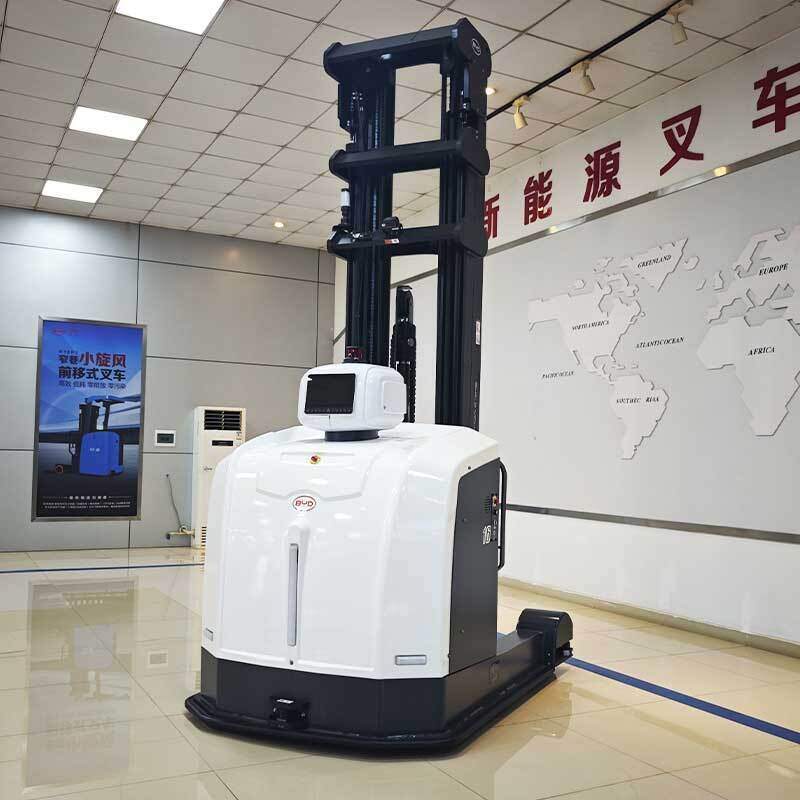
Electric forklifts have become one of the mainstream material handling equipment for modern warehousing, manufacturing and logistics scenarios, with notable advantages in low noise, zero local emissions and relatively lower long-term operation cost compared with traditional internal combustion handling equipment. Mastering targeted use and management rules for such equipment can help operators reduce hidden safety risks and extend the effective service life of the devices.
Core Performance Attributes of Conventional Electric Forklifts
Most standard electric forklift products on the market are driven by on-board rechargeable battery packs, with rated load capacities ranging from 1 ton to 5 tons to match different cargo handling demands. Their built-in control and transmission systems are designed to cut down redundant energy loss during operation, and most models support multi-level speed adjustment modes to adapt to different pavement conditions and operation rhythm requirements in different work sites.
Standardized Daily Operation Specifications
Operators need to receive systematic pre-job training before formally operating electric forklifts, and complete full appearance check, brake function test and remaining power status confirmation before each startup. During operation, staff should strictly follow the speed limit rules of the work site, avoid using the equipment beyond its rated load range, and keep a safe distance from surrounding personnel and stacked goods to reduce potential safety risks. Operators are required to pull the hand brake and cut off the main power supply before leaving the driving position after finishing the daily work.
Routine Maintenance and Management Tips
Carrying out regular maintenance work according to official recommended cycles can effectively reduce unnecessary equipment wear. Operators can clean up dust and sundries attached to the body surface and heat dissipation components after daily use, check the wear degree of tires and transmission parts at fixed intervals, and avoid over-discharging the battery pack to slow down capacity attenuation. For equipment that needs to be parked for a long time, completing regular supplementary power inspection every 1 to 2 weeks can keep the battery pack in a stable working state.


