
 简体中文
简体中文 Русский
 Français
 Português
 Español
 لالعربية

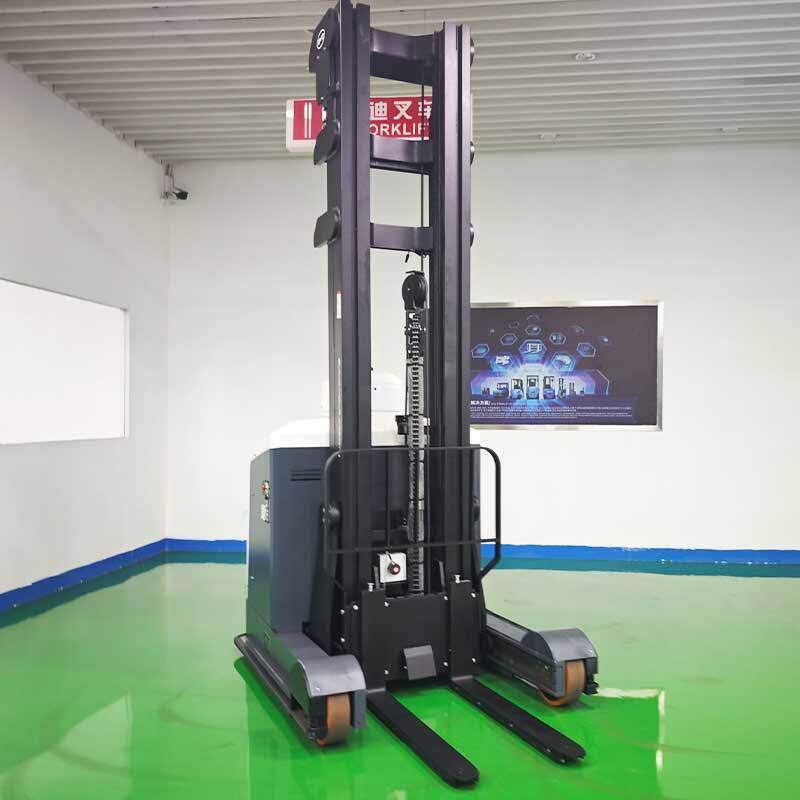
With the wide application of low-carbon material handling solutions in modern logistics and manufacturing scenarios, electric forklifts have become a common type of industrial carrying equipment for their low noise, zero local emission and easy operation characteristics. Mastering standard operation rules and scientific maintenance methods can help relevant practitioners give full play to the equipment performance, reduce unnecessary wear, and effectively control the long-term operation cost.
Core Pre-operation Inspection Protocols
Before starting the equipment every time, operators need to finish a series of basic check work to eliminate potential hidden risks in advance. It is suggested to check the remaining power level of the power unit first, confirm that the connection interface is free of loose or corrosion traces, then test the sensitivity of the braking system and steering mechanism, observe whether the lifting hydraulic parts have oil leakage phenomenon, and check the wear degree of load wheels and steering wheels to make sure no foreign objects are stuck in the gap. Operators also need to adjust the rearview mirror and seat position to a comfortable state that meets the operation vision, so as to avoid misoperation caused by improper posture during long-time work.
Standard Daily Operation Best Practices
In the actual operation process, operators need to strictly follow the rated load mark of the equipment, avoid long-term overloading which may cause irreversible damage to the motor and hydraulic system. When driving along the aisle, keep a safe distance with surrounding staff and storage racks, slow down in areas with low visibility or concentrated pedestrians, and avoid sudden acceleration or sudden braking actions as far as possible. When operating on ramps, keep the load end facing the uphill direction, do not turn on the slope, and do not park the equipment randomly on the ramp to prevent sliding risks. When stacking goods, keep the goods stable on the pallet, and adjust the lifting height reasonably according to the actual storage position to avoid scratching surrounding goods or public facilities.
Long-term Regular Maintenance Recommendations
For daily maintenance work, operators need to arrange charging work according to the specification requirements of the power unit, avoid over-discharging the power supply for a long time, and do not charge the equipment in a high-temperature open area with direct strong sunlight. After daily work, wipe the surface of the equipment with dry soft cloth, remove the dust and sundries accumulated in the heat dissipation gap of the motor, and park the equipment in the designated ventilated and dry area. Arrange regular professional inspection for key components at a fixed cycle, timely replace the worn parts that do not meet the use standards, to keep the equipment in a stable good working state for a long period.


