
 简体中文
简体中文 Русский
 Français
 Português
 Español
 لالعربية

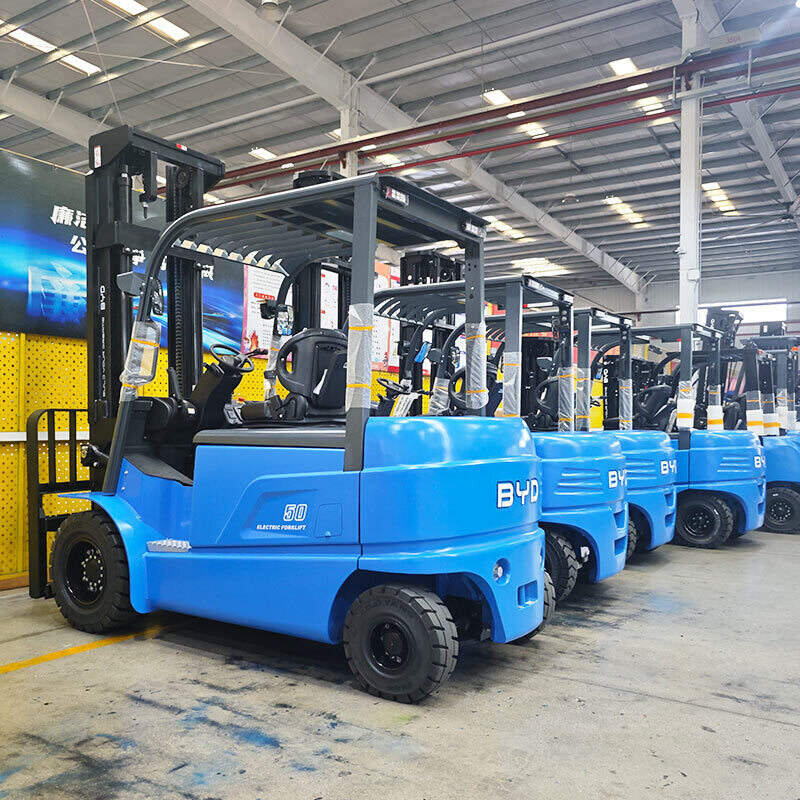
Electric forklifts have been widely adopted in modern logistics, manufacturing and storage scenarios for their low noise, zero local emission and flexible operation features. Many frontline practitioners and equipment managers still lack systematic cognition of correct use and daily management, which may cause extra wear of core components and increase long-term operating cost without awareness. This guide sorts out practical professional contents from multiple dimensions for relevant personnel to refer to.
Core Standard Operation Norms
In the daily operation process, operators need to receive pre-job systematic training before officially using the equipment. Before each start, staff should check the remaining power status, brake sensitivity, lifting mechanism flexibility and tire surface condition, and carry out corresponding troubleshooting in time when abnormal signs are found. During the operation, operators should avoid sudden acceleration and sudden braking as much as possible, keep a proper safe distance from surrounding personnel and obstacles, and do not overload the equipment beyond the rated load range for a long time. After completing the daily work, the equipment should be parked in the designated flat area, the lifting frame should be lowered to the lowest position, and the power supply should be cut off properly.
Routine Maintenance and Care Tips
Regular targeted maintenance can effectively extend the service life of electric forklifts, and reduce the frequency of unexpected equipment failures. For the power system, staff should follow the official guidance to complete standard charging operations, avoid long-term deep power depletion, and keep the surface of the power module clean and dry to prevent potential short circuit risks. For the transmission and walking components, regular lubrication treatment should be carried out according to the actual use frequency, and the worn parts should be replaced in time when the wear degree reaches the specified range. Operators can record the daily use status and maintenance content of the equipment, which can provide effective reference for subsequent fault inspection.
Efficiency Optimization in Actual Application Scenarios
Combined with the actual layout of the operation site, enterprises can plan a special driving channel for electric forklifts, set up obvious identification signs, and reduce the mutual interference between pedestrian flow and equipment operation. Reasonable matching of the operation path and cargo stacking height can give full play to the performance advantages of the equipment, and avoid unnecessary repeated handling operations. Regularly organize operators to carry out skill update training, which can help them form more stable good operation habits, further improve the overall operation efficiency of the whole material handling link.


