
 简体中文
简体中文 Русский
 Français
 Português
 Español
 لالعربية

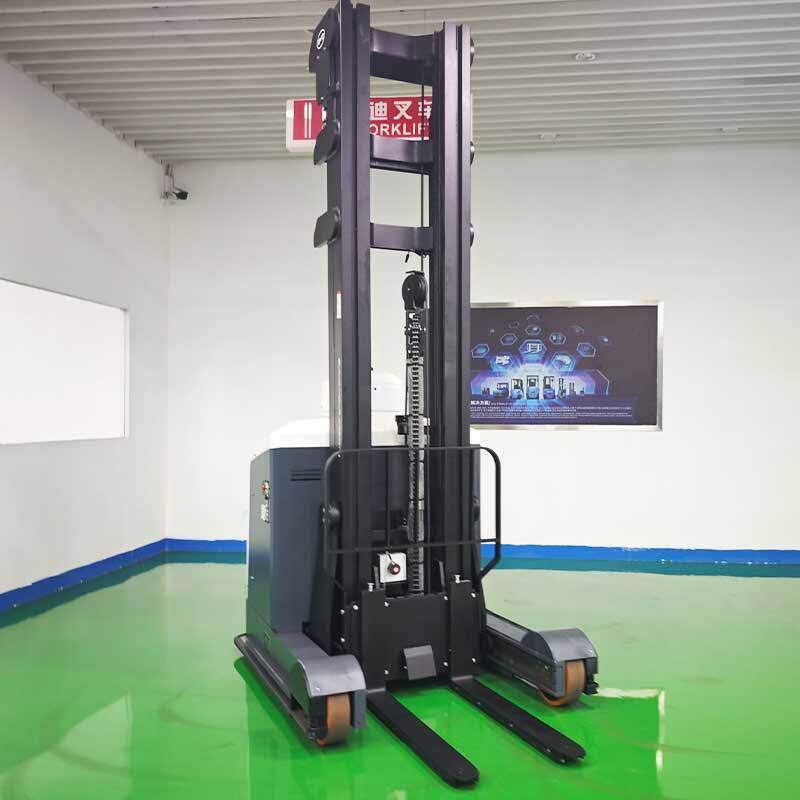
As the demand for low-carbon and efficient material handling continues to rise across global industrial and logistics sectors, electric forklifts have become one of the most widely deployed handling equipment in closed operation scenarios. Mastering the correct application logic and daily management rules of such equipment can help relevant practitioners give full play to its inherent performance advantages.
Core Operational Features of Modern Electric Forklifts
Different from internal combustion powered counterparts, electric forklifts produce no local exhaust emissions during operation, and the overall operating noise level is kept at a relatively low range, which can well adapt to enclosed spaces such as indoor warehouses, cold storage and food processing workshops with strict environmental requirements. Its transmission and steering system usually adopts a more direct driving structure, so the operation response is smoother, and the long-term driving fatigue of operators can be reduced to a certain extent after continuous shifts. The operation parameters of most electric forklifts can also be adjusted appropriately according to the actual site conditions, to match the handling requirements of different load grades.
Necessary Daily Maintenance Arrangements
Routine maintenance work is the core premise to keep electric forklifts in good working condition for a long time. Operators need to check the battery connection status and liquid level regularly before each shift, clear the dust and debris accumulated on the surface of the battery pack in time, and avoid the situation that sundries block the heat dissipation channel. It is also necessary to check the sealing performance of the hydraulic system regularly, confirm that there is no leakage of hydraulic oil, and test the sensitivity of the braking and steering mechanism before formal operation. After each work shift is completed, the equipment should be parked in the designated area, the power supply should be cut off, and the sundries on the surface of the body and the cargo fork should be cleaned. Avoid long-term overcharge or over-discharge of the power battery, and carry out full charge and discharge calibration according to the specified cycle, which can maintain the battery performance in a relatively stable state.
Standardized Operation Rules for On-site Safety
Operators of electric forklifts need to receive complete pre-job skill training, and be familiar with the operation limits of the equipment they are using. When driving on wet or slippery ground, the traveling speed should be controlled within a safe range, and sudden braking and sharp steering should be avoided as much as possible. When lifting or lowering goods, remind the surrounding personnel to keep a safe distance from the working area of the cargo fork. During long-distance transfer of goods, adjust the height of the cargo fork to the specified low position to avoid scratching the surrounding stacked goods or facilities. After long-term use, the load limiting device of the equipment should be checked and calibrated regularly, to prevent the potential safety hazard caused by long-term overloading.
Reasonable application and systematic maintenance of electric forklifts can effectively improve the overall turnover efficiency of on-site material handling, reduce the comprehensive operation cost of the warehouse, and support the construction of a more environmentally friendly logistics operation system.


