
 简体中文
简体中文 Русский
 Français
 Português
 Español
 لالعربية

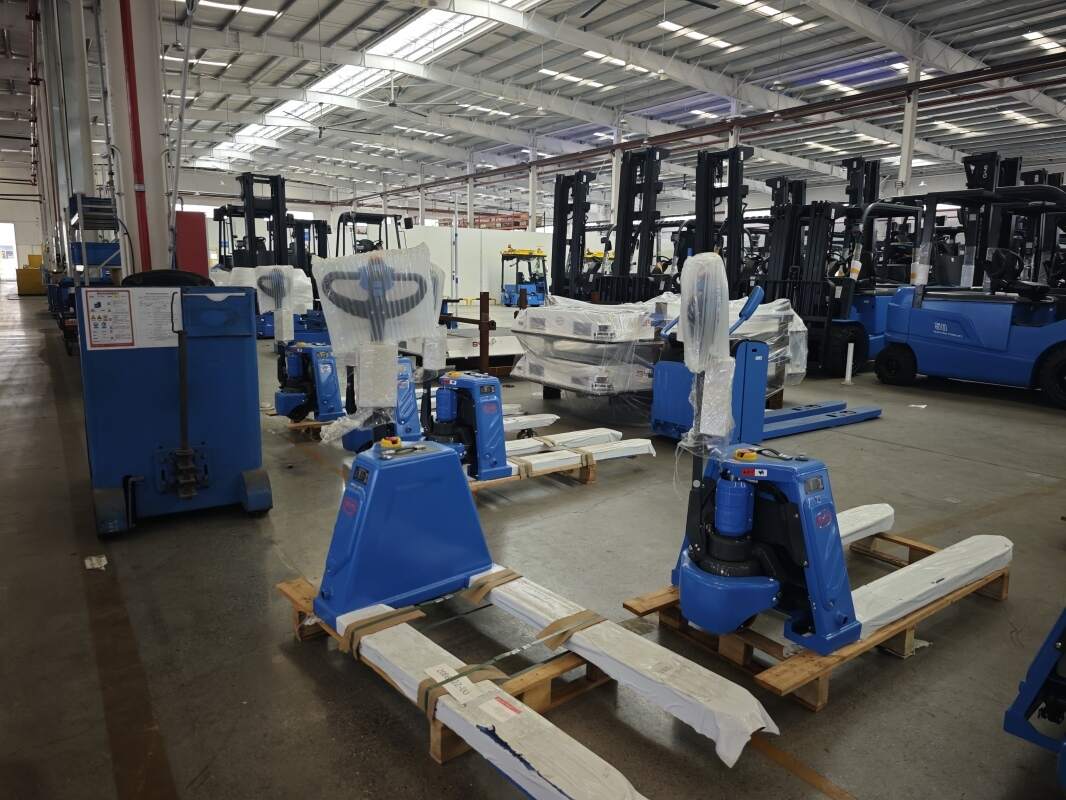
Many distribution and fulfillment warehouses face sharp spikes in order volume during annual seasonal peak periods, such as major shopping festivals, harvest seasons for agricultural goods, or pre-holiday stock-up phases. Under such scenarios, traditional material handling solutions often struggle to match the sudden rise of operation requirements, leading to prolonged waiting time for cargo handling, incorrect order delivery, and reduced overall customer satisfaction. Proper deployment of lithium-ion forklift fleets can effectively fill the capacity gap without generating unnecessary extra operating costs.
Before making specific deployment plans, warehouse management teams need to complete a systematic demand assessment first. It is advised to collect operation data from past 2 to 3 seasonal peak periods, count the average daily operation hours of forklifts, distribution of loading and unloading points, maximum weight of regular cargo, and average traveling distance of each operation route, to calculate the proper number of lithium-ion forklifts to be put into use during peak seasons. This assessment can avoid two common mistakes, including insufficient capacity that cannot support daily peak operations, and over-purchasing of equipment that leads to large idle cost in off-peak periods.
The layout of charging supporting facilities is another core part of the deployment guidance. Different from lead-acid forklifts that need long-time full charging after the battery is completely drained, lithium-ion forklifts support opportunity charging for short periods of time. Operation teams can set several small charging piles at key nodes of the material handling routes, allowing operators to replenish power for 15 to 30 minutes during the rest gap between shift handover or task transition. This arrangement no longer requires operators to drive forklifts to a dedicated central charging area across a long distance, reducing extra empty driving time and improving the actual available operation time of each device.
In addition, it is necessary to formulate a targeted daily operation and maintenance response plan before the arrival of peak volume. Arrange professional technical personnel to stay on site during the whole peak period, and reserve a proper number of spare batteries with matched specifications, to ensure that minor equipment faults can be disposed of in the shortest possible time, and the situation of forklift failure affecting the overall operation rhythm can be avoided. Combined with dynamic task scheduling, managers can distribute different material handling tasks to lithium-ion forklift fleets according to real-time order volume changes, so as to give full play to the performance advantages of the equipment and smoothly support the stable operation of the warehouse in all peak periods.


