简体中文
 Русский
 Français
 Português
 Español
 لالعربية


In today’s fast-paced modern warehousing, manufacturing and distribution operations, forklifts are core workhorses that support nearly every link of material handling. Unplanned downtime of these critical equipment does not only lead to immediate work stagnation, but also generates a series of cascading losses that many operation managers tend to overlook in daily cost accounting. Many teams only count obvious maintenance expenditure after equipment failure, but ignore the accumulated indirect losses caused by the interruption of normal operation rhythm.
The most intuitive direct cost of forklift downtime comes from idle labor expenditure. When a forklift breaks down unexpectedly, the assigned operator, as well as the staff on the connected loading and unloading, sorting and transportation positions, have to pause their work until the equipment is back in service. In addition, temporary rental of alternative handling equipment often brings unexpected extra expenditure, and emergency maintenance services that require on-site support outside the regular schedule usually come with additional surcharges. For large operations that arrange equipment in strict accordance with daily work plans, even a short 1-hour unplanned stop will break the pre-made schedule and lead to extra labor cost for extended shifts later.
The hidden cost of forklift downtime is often far higher than direct expenditure, and creates long-term impact on operation performance. For distribution centers that process time-sensitive orders, prolonged equipment stagnation will lead to delayed delivery, which increases the risk of order return and customer dissatisfaction, eroding the stable cooperative relationship built with clients for a long time. In manufacturing scenarios, forklift downtime that blocks raw material supply lines may lead to the shutdown of the whole production assembly line, causing larger scale production loss and unfinished goods backlog. For operations running on tight just-in-time scheduling, even a short unplanned forklift stop may disrupt the whole daily operation rhythm, and bring extra pressure to subsequent shift arrangement and personnel adjustment.
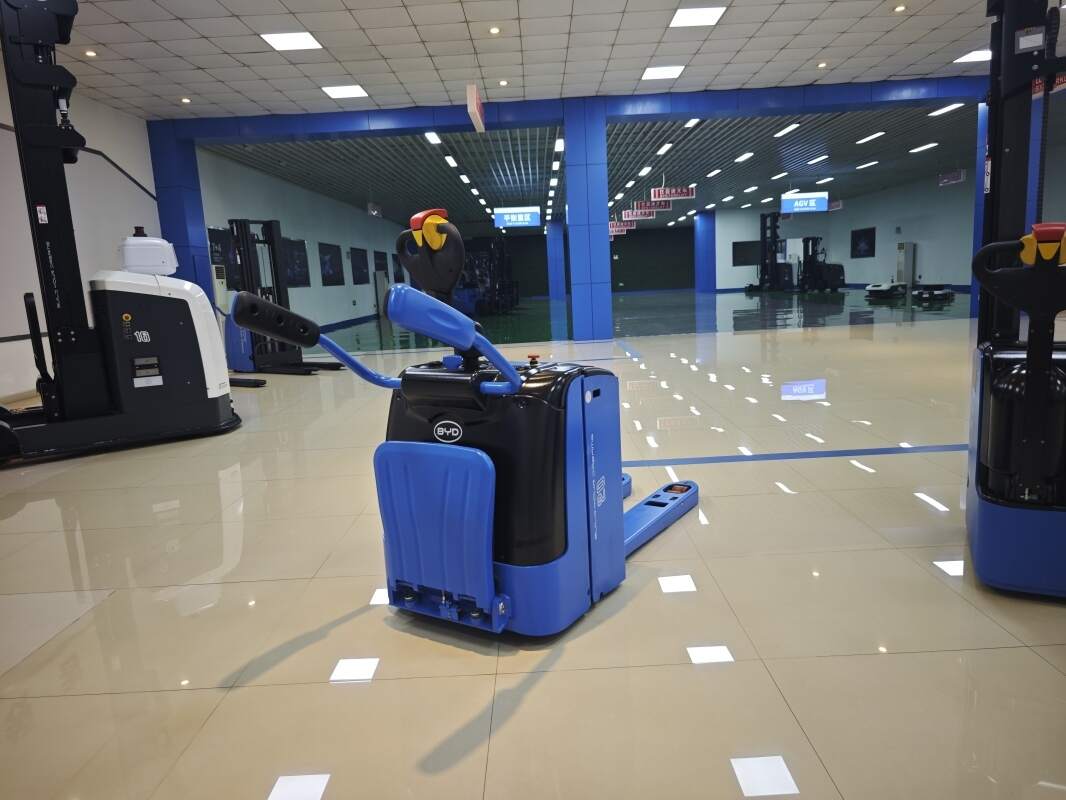
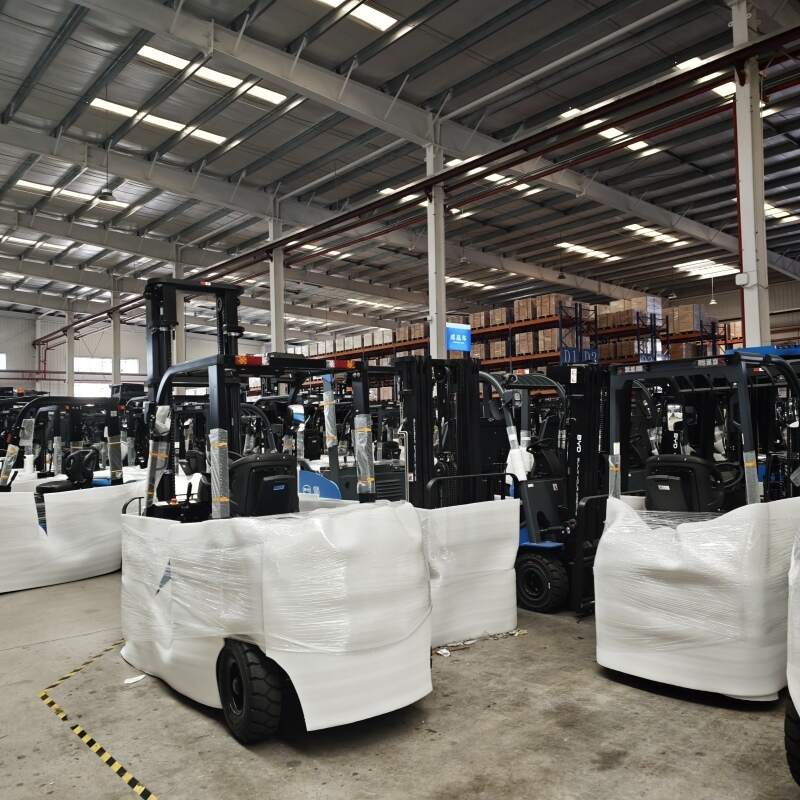
Choosing reliable low-downtime new energy electric forklift solutions can effectively reduce the above hidden and explicit losses. Compared with traditional internal combustion equipment, high-quality electric forklifts have fewer vulnerable mechanical parts related to fuel and emission systems, so the routine maintenance frequency and fault probability are significantly lower. Stable electric power supply also avoids unexpected downtime caused by fuel supply shortage or poor fuel quality. We are Jianxin New Energy, focusing on BYD electric forklifts, providing full-cycle pre-sales consultation, after-sales maintenance and regular inspection support for all types of material handling operations. If you need a customized forklift uptime optimization scheme, you can contact us at [email protected] for professional support tailored to your operation scale and scenario.