
 简体中文
简体中文 Русский
 Français
 Português
 Español
 لالعربية

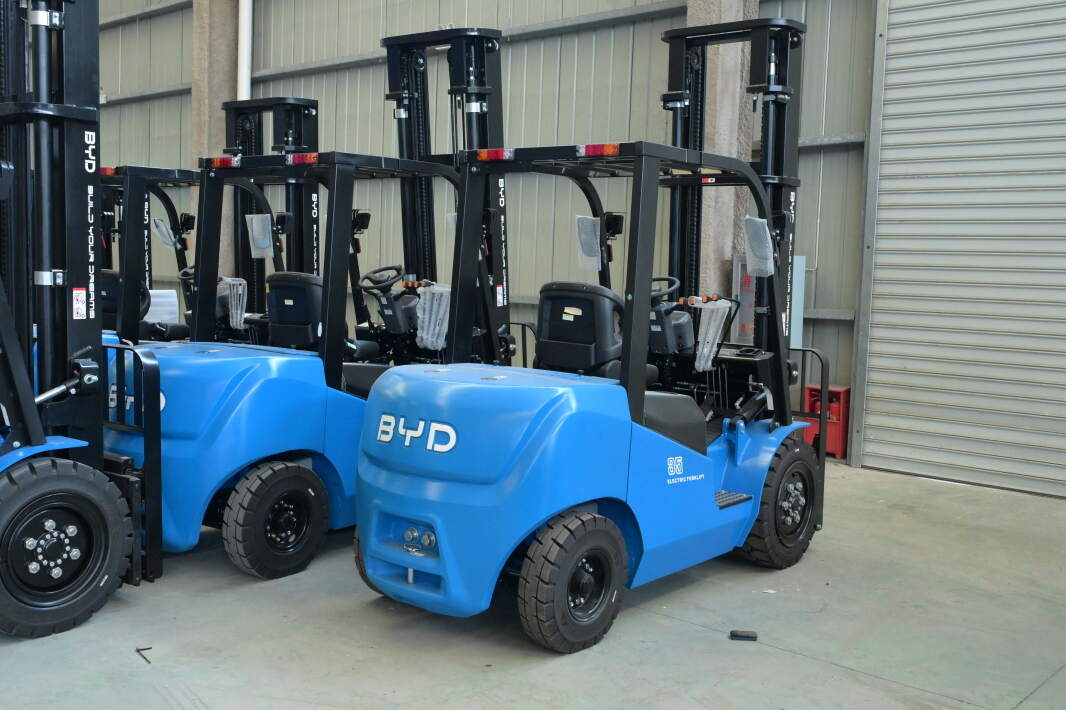
Against the background of low-carbon transformation in global logistics sectors, electric forklifts have become one of the most widely used material handling equipment in closed warehouses, distribution centers and manufacturing workshops. Many frontline operators and warehouse managers still need systematic, practical guidance to maximize the value of such equipment and avoid improper operation that leads to extra loss.
Core Functional Advantages of Electric Forklifts
Compared with traditional internal combustion handling equipment, modern electric forklifts produce no local exhaust emission during operation, which effectively reduces air pollution in relatively enclosed warehouse spaces and lowers the health risk of long-term exposure for on-site staff. The overall noise level of electric forklifts during working status is also significantly lower, which creates a more comfortable working environment and reduces the distraction caused by loud engine noise for surrounding operators. Under normal use conditions, its daily energy consumption cost is also more controllable than fuel consumption of internal combustion equipment.
Standard Operation Specifications for Daily Use
Before each shift of operation, operators need to conduct basic inspection on core components, including checking remaining battery level, brake sensitivity, lifting frame flexibility and tire surface condition, to eliminate hidden risks in subsequent handling tasks. Operators should strictly follow the rated load parameter of the equipment during use, avoid long-time overloading operation which may cause extra wear to hydraulic and power systems. When the equipment is not in use for a long time, operators should park it at the designated area, turn off the power supply, and adjust the lifting frame to the lowest safe position.
Scientific Routine Maintenance Suggestions
Regular basic cleaning of the equipment surface, driving components and dust accumulation at heat dissipation positions can effectively keep the equipment in good working state. It is suggested to check the tightness of wiring connectors and battery contact points at fixed intervals, to avoid poor contact caused by long-term vibration. All maintenance work should follow official operation manual requirements, no arbitrary modification of power structure or load limit is allowed. Timely troubleshooting of small abnormal faults can avoid more costly subsequent damage. Following the above guidance can help enterprises give full play to the performance of electric forklifts, build a more stable, efficient and low-carbon warehouse operation system.


