
 简体中文
简体中文 Русский
 Français
 Português
 Español
 لالعربية

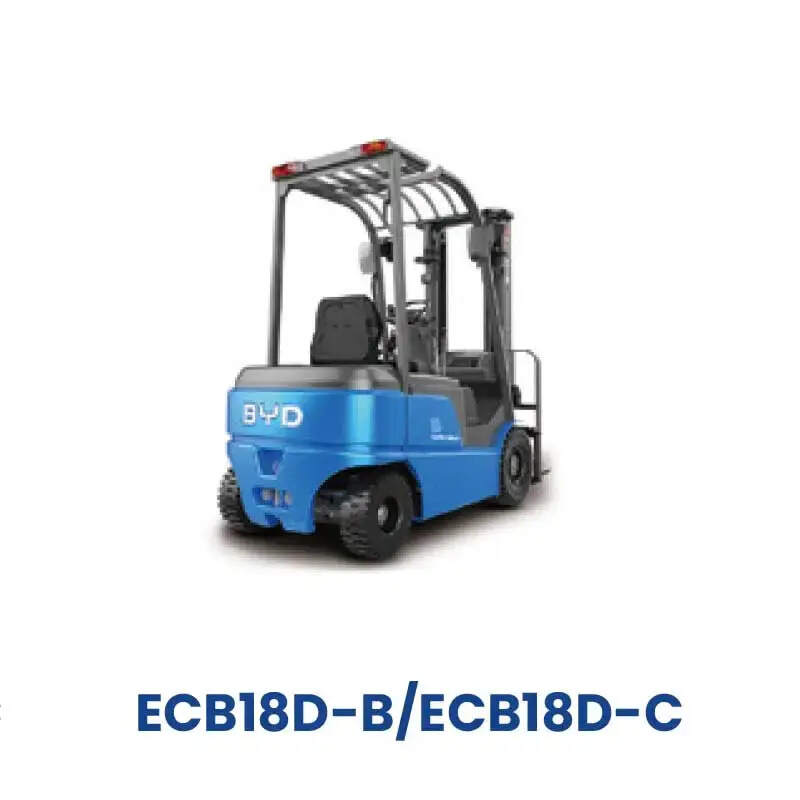
Against the backdrop of rising demand for low-carbon, low-noise material handling solutions across industrial sites, electric forklifts have gradually become a mainstream equipment option for most logistics, manufacturing and warehouse scenarios. Many new operators and facility managers still lack systematic, practical knowledge to leverage the full advantages of such equipment properly.
Core Operational Principles of Modern Electric Forklifts
Unlike internal combustion counterparts that rely on fossil fuel for power output, modern electric forklifts convert stored electrical energy into kinetic power through dedicated motor systems, with transmission structures that cut down redundant mechanical friction to a large extent. Most standard models are designed with load weight limit, travel speed limit and tilt protection settings embedded in the control system, to reduce operational risks under normal working conditions. The power supply modules of most current products adopt sealed energy storage units, which avoid the leakage and emission issues common to traditional fuel-powered equipment.
Daily Operational Best Practices for Stable Use
Before each formal shift, operators are suggested to conduct a quick visual check on the tire condition, brake sensitivity, lifting fork deformation and power level of the equipment, to rule out hidden issues that may cause sudden shutdown during operation. When the equipment is running, operators should avoid sudden acceleration or frequent sharp steering on uneven ground, and keep the load center within the marked range on the load backrest to prevent side tipping. For long distance transfer between different warehouse zones, it is recommended to run the equipment at a steady medium speed, instead of keeping high speed for a long time to avoid extra loss of power units.
Routine Maintenance Guidelines to Reduce Long-term Cost
After each day’s operation, users are advised to wipe away the dust, residual cargo debris and wet stains on the equipment surface, especially the connection parts of the power supply module, to prevent poor contact caused by accumulated dirt. It is not recommended to drain the power storage units to 0% before recharging, and completing the charging process in a well-ventilated, dry and temperature-controlled area can extend the overall cycle life of the power units significantly. Regular inspection on the lubrication status of lifting chain and bearing parts every two weeks can reduce abnormal wear of movable components, and lower the frequency of unexpected parts replacement.
Applicable Scenarios That Maximize Electric Forklift Advantages
Electric forklifts fit well with enclosed indoor warehouse, food processing workshop, pharmaceutical storage zone and other scenarios that have strict requirements on air quality and working noise level. For sites that run multi-shift material handling tasks every day, a properly arranged power supplement plan can ensure continuous operation without long downtime. Users can also adjust the corresponding parameter settings of the control system according to the average load weight and daily operation duration of their own sites, to get more matching operation experience.


