
 简体中文
简体中文 Русский
 Français
 Português
 Español
 لالعربية

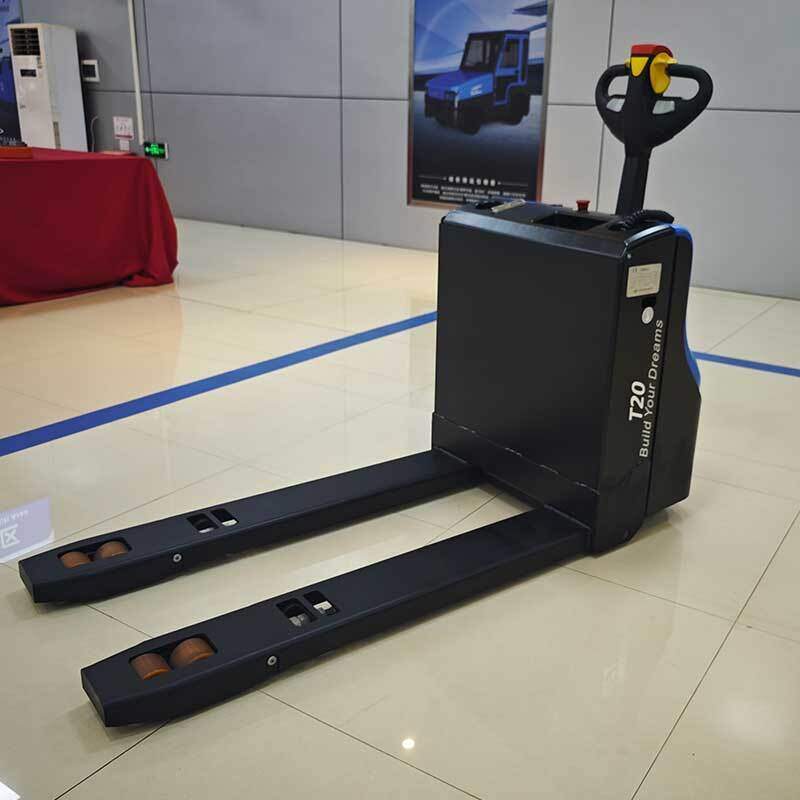
Against the background of global low-carbon industrial transformation, electric forklifts have occupied an increasingly large share in the material handling equipment market for warehousing, manufacturing, ports and other scenarios. Many frontline operators and enterprise equipment management personnel still have confusion about how to give full play to the performance of electric forklifts and extend their service life. The following content provides systematic professional guidance for related practitioners.
Core Performance Advantages of Electric Forklifts
Compared with traditional internal combustion powered material handling equipment, electric forklifts produce zero local exhaust emissions during operation, which can avoid the pollution of stored goods such as food and medicine, and adapt to the strict environmental requirements of enclosed warehouse space. The noise level of normal operation of qualified electric forklifts is much lower than that of fuel-powered equipment, which can reduce the hearing damage risk of long-term on-site operators, and lower the noise interference to the surrounding office and rest areas. The power output of electric drive system is smoother, and the operating vibration is smaller, which can reduce the risk of falling and damage of fragile goods during handling.
Standardized Daily Operation Rules
Before starting the equipment every time, the operator should check the remaining power of the power unit, the flexibility of the braking system, and the tightness of the lifting chain, and confirm that there is no abnormal exposure of the external line. Operators should strictly follow the rated load mark to arrange handling tasks, and do not use the equipment beyond the allowable load range for a long time. When driving on the ramp of the site, avoid sudden steering and emergency braking to prevent the goods from slipping or the equipment from sideslip. If the equipment needs to be idle for more than one week, the power unit should be kept at 40% to 60% of the rated power to avoid irreversible damage to the cycle life caused by excessive deep discharge.
Routine Maintenance Essentials
Operators or professional maintenance personnel should clean the dust, broken packaging residues and other sundries accumulated on the body every week, check whether each electrical connection interface has the hidden danger of oxidation and looseness. Every three months, apply special lubricating grease to all movable connection parts such as lifting bearings and steering hinges to reduce wear. Professional personnel should calibrate the limit device of the lifting system regularly to avoid collision with the top of the goods shelf during the operation of lifting goods. All maintenance work of the electrical control system should be carried out by trained professional personnel to avoid safety risks caused by unauthorized disassembly.
Scenario Matching Optimization Suggestions
Enterprises can select equipment with corresponding parameters according to the actual operation scenarios, for narrow aisle operation areas, select models with smaller body width to improve the utilization rate of storage space, for high-level shelf storage scenarios, select equipment with rated lifting height matching the actual demand, and for outdoor operation scenarios, select models with protection level meeting the site requirements. Reasonable matching of equipment and scenarios can further improve the overall operation efficiency of material handling.


