
 简体中文
简体中文 Русский
 Français
 Português
 Español
 لالعربية

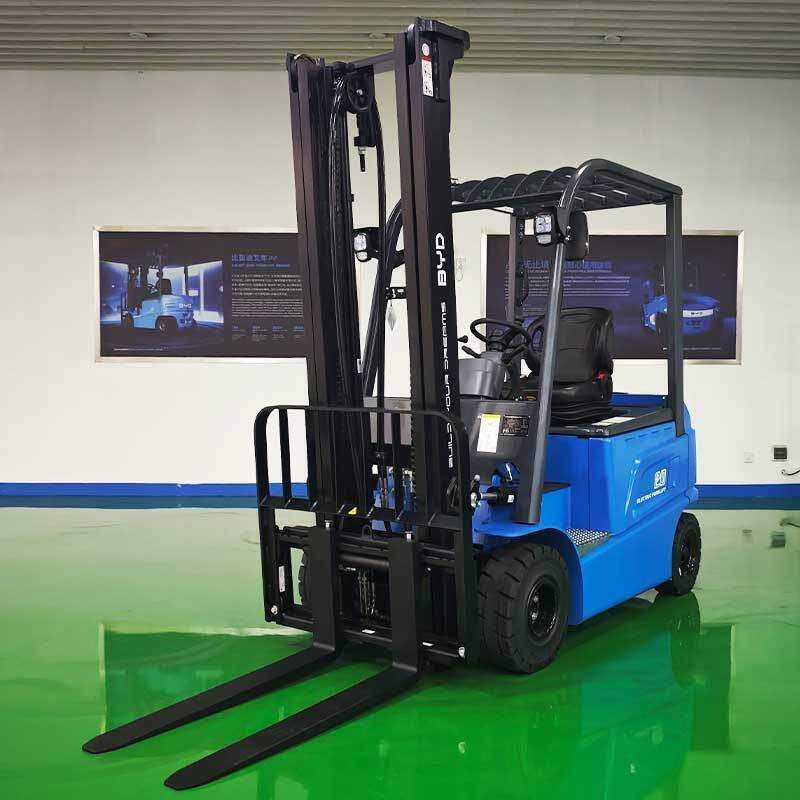
Many traditional old warehouses built years ago face the demand of improving material handling efficiency in recent years, while most warehouse operators are unwilling to invest large sums of money in breaking existing ground, widening aisles, redoing floors or adjusting overall space layout for handling equipment upgrading. Compact electric forklifts can perfectly match such demand with proper application guidance, without triggering large-scale civil modification projects.
The first step before putting compact electric forklifts into use is to complete targeted site survey. Operators need to measure the clear width of existing operation aisles first, to confirm that the minimum turning radius of selected compact electric forklift can fully adapt to the aisle space, no need to dismantle original aisle facilities for widening. Then check the load-bearing capacity of existing floor, as most compact electric forklifts have lower wheel pressure under full load compared with large counterbalance forklifts, most original old warehouse floors can meet the operation requirement without overall re-paving, and only partial leveling is required for tiny uneven areas. It is also necessary to confirm the clear height under original warehouse pipelines and the lowest layer of existing shelves, to avoid the situation that the forklift mast touches the top facilities during lifting, and no large pipeline adjustment is needed in most conditions.
The second part is to complete low-cost supporting adaptation without major civil works. Operators can add customized auxiliary safety sensing modules on the compact electric forklift body, to realize automatic deceleration when approaching personnel or barriers, which makes up for the lack of new intelligent monitoring system in old warehouses, no need to install a large number of new sensing devices on warehouse walls or top. For operation path planning, operators can use low-adhesive marking stickers to mark operation routes on existing floor, no slotting or new ground painting work that damages the original ground is required.
For daily operation and maintenance supporting settings, operators can make use of the existing idle corner space in the warehouse to set up the charging area for compact electric forklifts, no need to build independent special charging room with extra civil fire separation structure, as long as the power supply interface meets relevant safety specifications. This whole set of application scheme can effectively control the warehouse renovation investment, and complete the upgrading of handling efficiency without interrupting the normal operation of warehouse for a long time.


